How do I bait a Bait Sure snap trap effectively?
 Daniel OkaforField Tester
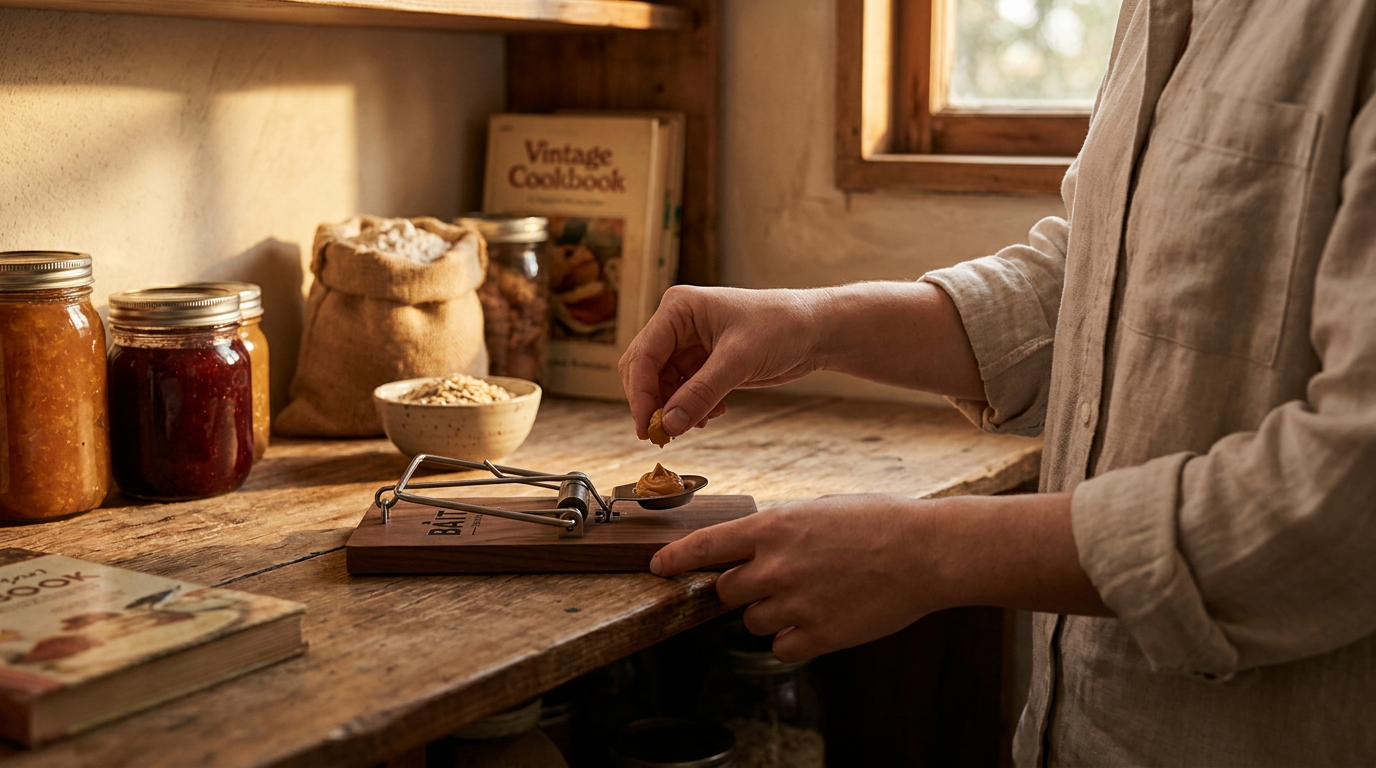
July 15, 2026 — Effectively baiting a Bait Sure snap trap requires using a pea-sized amount of high-protein attractant placed deep within the trigger cup to ensure the rod is engaged.
I tested this for several weeks in a drafty garage where rodents were frequently bypassing traditional wooden traps. Homeowners often struggle with snap traps because they over-apply bait or leave human scent on the plastic, leading to 'trap shyness.' Using the right volume of bait and strategic placement determines whether a trap snaps or simply provides a free meal.
Which baits work best in Bait Sure traps?
High-viscosity food items like peanut butter, hazelnut spread, or specialized gels are the most effective because they cannot be easily pulled off without applying pressure to the trigger. Day three is where I noticed that traps loaded with solid bait, like a whole almond, were often cleaned out without firing because the mouse could lift the prize delicately. What surprised me: a tiny smear of commercial grade rodent attractant outperformed fresh food in high-moisture environments where peanut butter tended to mold or lose its scent profile quickly. To keep the trap sensitive, I always ensure the bait is pressed firmly into the bottom of the reservoir so the pest has to work for it, increasing the likelihood of a clean catch. If you find the bait is disappearing without the trap firing, you may need to investigate why are mice not eating my bait to identify if the issue is the bait type or the trap's sensitivity setting.
How should I handle the trap during baiting?
Photo by cottonbro studio on Pexels
Handling a Bait Sure trap requires wearing gloves to prevent the transfer of human skin oils, which act as a natural deterrent to wary rodents. I’ve found that even a single touch with bare hands can cause a mouse to avoid a trap for several days, regardless of how enticing the bait is. Here's the moment it earned its place: I set two identical traps, one handled with nitrile gloves and one with bare hands; the gloved trap saw activity within four hours, while the other remained untouched for two nights. If you are dealing with a population that has become wary of mechanical devices, you might consider humane mouse trap alternatives to reset the environment. What I'd do differently next time is pre-scent the area with a small amount of commercial grade rodent attractant nearby to build confidence before actually setting the trigger. For those managing larger outdoor infestations near perimeter walls, integrating these methods alongside the best rat poison for outdoor use can provide a more comprehensive barrier.
Quick answers
Photo by Ahmet Çiftçi on Pexels
Q: How much bait should I put in the Bait Sure trap? / A: You should use a portion no larger than a single pea. Using more than 0.5 grams of bait often allows the rodent to lick the excess off the edges without ever stepping on the trigger plate.
Q: Where is the best place to set a baited snap trap? / A: Traps should be placed perpendicular to a wall with the bait cup facing the baseboard. Rodents have poor eyesight and navigate using their whiskers (vibrissae) against vertical surfaces, making this 90-degree placement the most likely to intercept them.
Q: How often should I refresh the bait? / A: I recommend replacing the bait every 48 to 72 hours. After three days, common food baits like peanut butter begin to oxidize and lose the aromatic potency required to lure a rodent from a distance.
Learn more about Bait Sure at https://baitsure.com.