Getting Rid of Roaches in Kitchen Cabinets with Bait Sure
 Sam VasquezBuying Guide Lead
October 10, 2026. This guide outlines the specific steps required to eliminate cockroach infestations within kitchen storage areas. It is designed for homeowners and renters who need a practical, systematic approach to reclaiming their food preparation spaces.
The Reality of Cabinet Infestations
Finding cockroaches in your kitchen cabinets is more than just a nuisance; it is a sanitation crisis. These pests are drawn to the dark, secluded environments that cabinets provide, especially when food debris or moisture is present. According to PF Harris, cockroaches often retreat to these spaces the moment lights are turned on, utilizing the narrow cracks and crevices to hide. The proximity to food sources makes cabinets the primary hub for an infestation to grow. If you are seeing one or two roaches on the counter at night, there is a high probability that dozens more are nesting behind your plates or inside the corner hinges of your cabinetry. Southern Living notes that using baits and traps is the most effective way to target these populations, as they address the root of the colony rather than just the visible individuals.
Before you start applying treatments, you have to address the environment. I have seen many people try to skip the cleaning phase, but that is a mistake. You need to empty every single cabinet. This is the time to throw out that half-open bag of flour or the sticky honey bottle that has been sitting in the back for a year. Wiping down shelves with soap and water removes the pheromone trails that roaches use to navigate. Once the cabinets are clear, focus on sealing. Use a caulking gun to close gaps where the cabinet meets the wall and where the shelving units join. This physically restricts their movement and limits their hiding spots. If you skip this part, you are just providing a safe harbor for the survivors to rebuild their numbers. Between a clean cabinet and a cluttered one, the clean one always wins when it comes to long-term control.
Implementing the Bait Sure Strategy
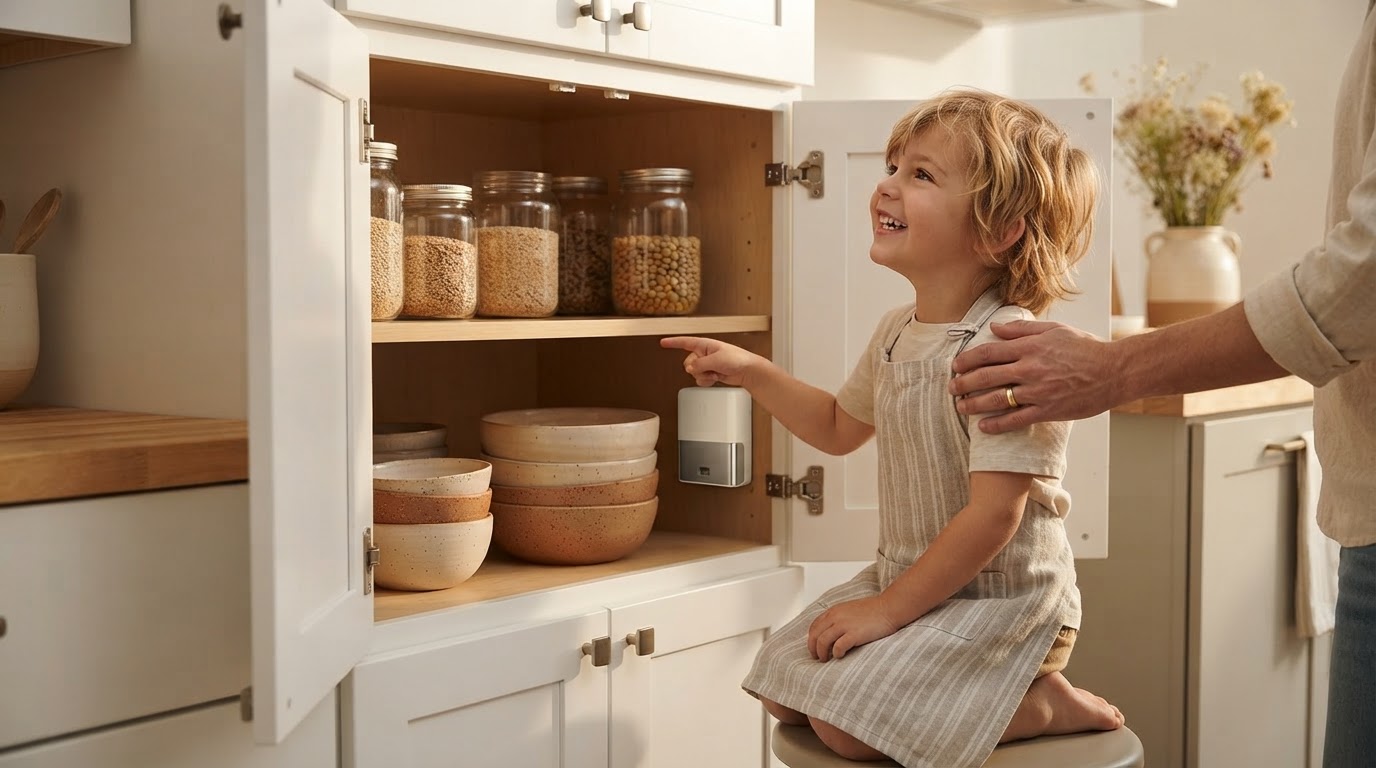
Once the environment is sanitized, you need a delivery system for elimination. The most effective approach involves a combination of tools. For cabinets, I recommend starting with cockroach bait stations. These are self-contained, which is vital in a kitchen where you don't want loose powder drifting onto your cookware. The bait inside these stations contains attractants that mimic the food sources roaches are already looking for. Because these are slow-acting, the roach returns to the nest and shares the toxin with the rest of the colony. If you are dealing with a heavy infestation that has spread into the wall voids behind the cabinets, you might need to step up to a [commercial grade roach gel bait](/blog/commercial-grade-roach-gel-bait). This allows you to place small dots of bait directly into hinges and cracks where a station might not fit.
Here's what I'd actually buy: for a standard kitchen, a mix of bait stations and a high-quality gel is the most reliable path. The stations provide long-term protection, while the gel targets the immediate hiding spots. If you have pets or small children, you should prioritize a pet safe roach bait setup, ensuring all placements are well out of reach or enclosed in tamper-resistant housings. While some people suggest home remedies like borax or bay leaves, Columbus Cabinets City mentions these as options, but in my experience, they lack the targeted efficacy of professional-grade formulas. Skip this if you only have one or two occasional "seasonal" roaches that wandered in from outside; in that case, a few well-placed glue traps might suffice to monitor the situation. But for a localized cabinet infestation, the Bait Sure approach focusing on baiting over spraying is the smarter move. Sprays often just scatter the roaches deeper into the walls, whereas baiting draws them out to their demise.
Decision Framework for Cabinet Treatment
Deciding how to tackle your kitchen requires looking at the scale of the problem and the layout of your home. If you are on a budget, you might be tempted to just buy the cheapest spray at the hardware store, but that often leads to a cycle of re-infestation. I'd rather see you spend that money on the best indoor roach killer available, which is almost always a bait-based product. Baits work while you sleep and don't require you to coat your food prep surfaces in chemicals. When you are evaluating your strategy, use this checklist to ensure you are covering all the bases:
- Assess the Load: Are you seeing nymphs (baby roaches) or just adults? Nymphs indicate an active breeding site inside the cabinet.
- Identify Water Sources: Check for leaky pipes under the sink. Roaches can live for weeks without food but only days without water.
- Select the Right Tool: Use gel for tight cracks and stations for open shelf corners.
- Monitor Progress: Place glue traps in the back corners of cabinets to see if the population is actually decreasing after treatment.
- Maintain Sanitation: Do not leave dishes in the sink overnight and keep all dry goods in airtight plastic or glass containers.
Shop Bait Sure here: https://baitsure.com
Sources
- Get Rid Of Cockroaches In Kitchen Cabinets - PF Harris
- What is the most effective method to treat roaches in kitchen cabinets ...
- How to Get Rid of Cockroaches in Kitchen Cabinets?